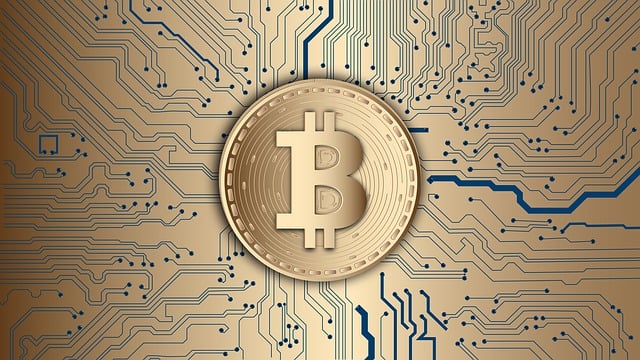
Cryptocurrencies have transformed from a specialized subject among tech aficionados to a worldwide financial phenomena in the last ten years. From the explosive growth of Bitcoin to the proliferation of hundreds of digital tokens, cryptocurrency has drawn interest from governments, IT companies, and investors. However, what is cryptocurrency precisely, and how is it changing the financial scene? The fundamentals of digital assets, their advantages, risks, and what you need to know to get started will all be covered in this beginner’s guide.
What is Cryptocurrency?
Cryptocurrency is essentially a type of digital currency that runs on decentralized networks known as blockchains and use encryption to ensure secure transactions. In contrast to fiat currencies, which are conventional currencies issued by governments, cryptocurrencies are not governed by financial institutions or central banks.
Bitcoin, the original and most well-known cryptocurrency, was unveiled in 2009 by Satoshi Nakamoto, an unidentified person. This has led to the creation of thousands other cryptocurrencies, often known as “altcoins,” each with its own special characteristics and functions.
How Does Cryptocurrency Work?
Blockchain technology, which records every transaction across a network of computers, is the foundation upon which cryptocurrencies are based. Miners, often referred to as validators, are network participants that verify each transaction before it is permanently added to the blockchain.
Important aspects of cryptocurrencies include:
- Decentralization: The network is not under the control of a single entity.
- Security: Transactions that are safe and impenetrable are guaranteed by cryptography.
- Transparency: Every transaction on the blockchain is visible to the public.
- Supply Cap: In order to avoid inflation, the supply of several cryptocurrencies, including Bitcoin, is limited.
Popular Types of Cryptocurrencies
- Bitcoin (BTC): The original and most widely recognized cryptocurrency, often considered “digital gold.”
- Ethereum (ETH): Known for its smart contract functionality and decentralized applications (dApps).
- Stablecoins: Digital currencies like USDT or USDC that are pegged to traditional currencies to minimize volatility.
- Altcoins: A broad category that includes thousands of alternative cryptocurrencies, each with specific use cases.
Benefits of Cryptocurrency
- Financial Inclusion: Gives unbanked people access to financial services.
- Quick and inexpensive transactions: particularly helpful for international payments.
- Decentralization & Control: Users have complete control over their funds.
- Opportunities for Innovation: Makes new technologies possible, like as non-fungible tokens (NFTs) and decentralized finance (DeFi).
Risks and Challenges
- Volatility: Cryptocurrency prices can be highly volatile.
- Regulatory Uncertainty: Governments are still defining how to regulate digital assets.
- Security Risks: Hacking, scams, and lost private keys can result in significant losses.
- Lack of Understanding: Many new users fall victim to misinformation or unrealistic expectations.
How to Get Started with Cryptocurrency
1. Educate Yourself
Before investing or using cryptocurrency, take the time to learn about blockchain technology, different cryptocurrencies, and market trends.
2. Choose a Reliable Exchange
Use reputable platforms like Coinbase, Binance, or Kraken to buy, sell, and trade cryptocurrencies.
3. Secure Your Assets
Store your digital assets in secure wallets. Hardware wallets like Ledger or Trezor offer enhanced protection compared to online wallets.
4. Start Small
If you’re new to crypto investing, start with small amounts and only invest what you can afford to lose.
5. Stay Updated
The crypto space evolves rapidly. Follow trusted news sources, forums, and communities to stay informed.
Conclusion
Cryptocurrency represents a groundbreaking shift in how we think about money, ownership, and financial systems. While it offers exciting opportunities for innovation and wealth creation, it also comes with risks that require careful consideration. By educating yourself and taking a cautious, informed approach, you can explore the world of digital assets and potentially become part of the financial revolution.

Leave a Reply